Q1: What types of composite materials can this adhesive effectively bond?
A: It is designed for bonding dissimilar substrates such as plastics (PET, PP, PVC), metals, foils, fabrics, and engineered films in multi-layer assemblies. Surface preparation or primers may be recommended for low-energy materials (e.g., untreated polyolefins).
Q2: What performance features make it suitable for demanding industrial applications?
A: It provides high peel and shear strength, flexibility to accommodate material expansion/contraction, and resistance to chemicals, moisture, and temperature variations. These properties ensure long-term durability in automotive interiors, flexible packaging, and technical laminates.
Q3: Are there specific application or curing requirements for composite bonding?
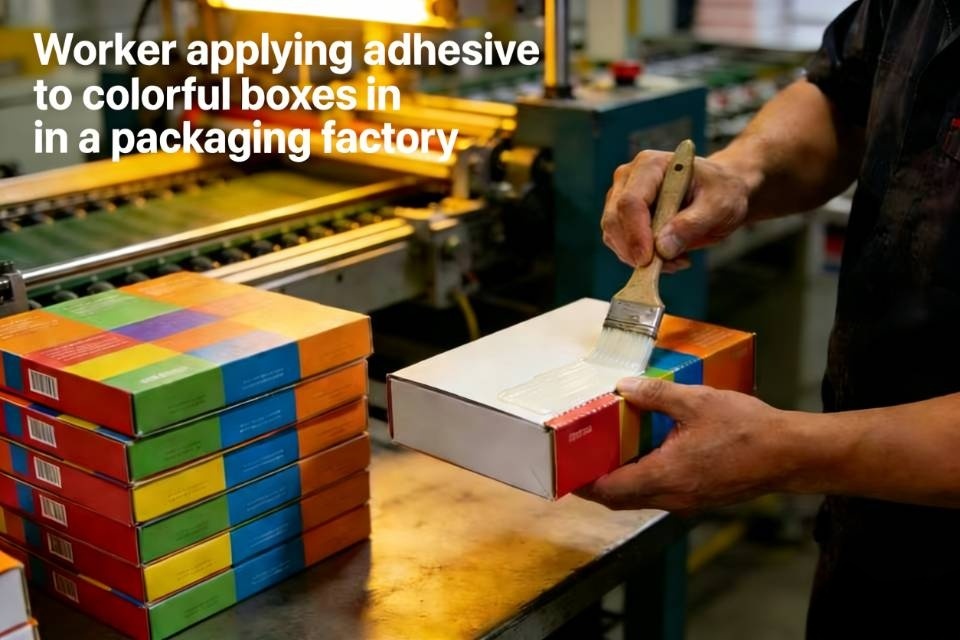
A: Apply evenly via roller, spray, or extrusion based on material porosity and assembly design. Curing methods vary (e.g., heat activation, UV curing, or air drying) depending on the formulation. Optimal bond strength often requires controlled pressure and curing conditions—refer to technical guidelines for specific parameters.